by DPS Magazine Staff
Interest in sustainable substrate options continues to grow within the print industry as providers and customers prioritize eco-friendliness and responsibility to the environment. However, the category is loosely defined and can have many different meanings depending on who you ask.
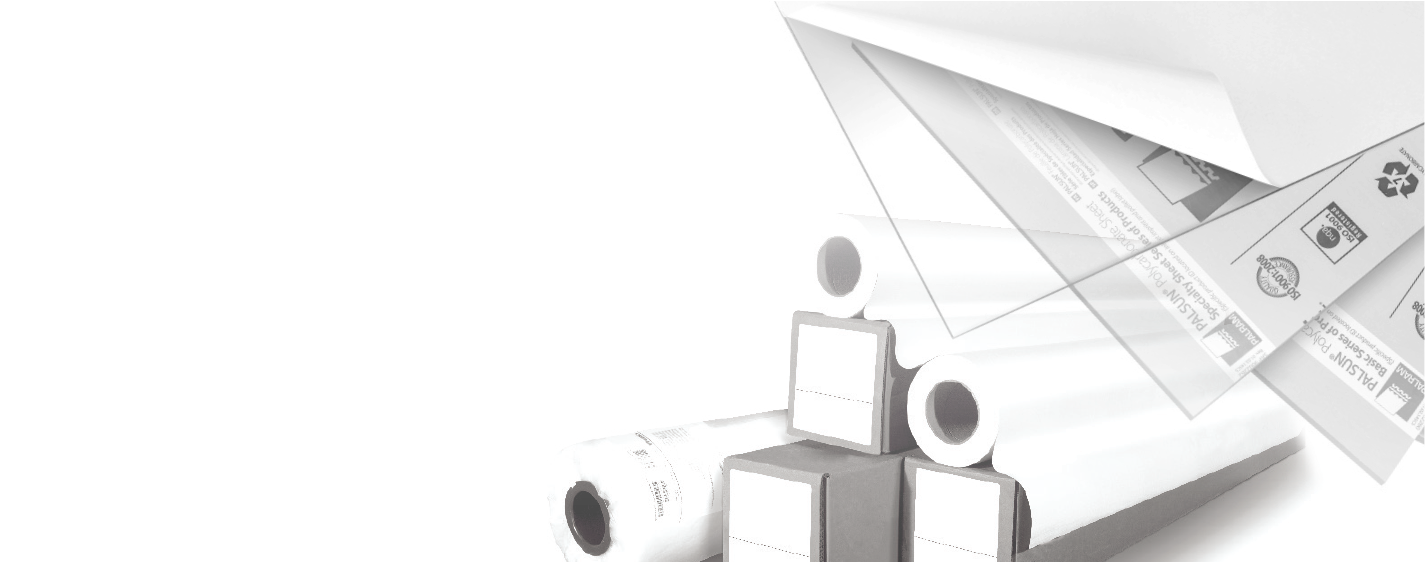
Above: Monadnock offers a range of paper, packaging, and labeling substrates engineered for digital print production.
A shift to sustainability is surely happening. “We are absolutely seeing a continued shift toward biodegradable, recycled, and recyclable materials in digital print environments,” shares Meredith Clampitt-Whaley, VP marketing, Clampitt Paper. “The great news is that paper is a natural, biodegradable, recyclable resource in itself.”
Julie Brannen, director, sales and sustainable solutions, Monadnock Paper Mills, Inc., sees momentum in recycled and recyclable materials in digital print environments, particularly in packaging, retail signage, and commercial print applications. “Brands and converters are paying closer attention to material selection as part of broader sustainability, regulatory, and brand responsibility initiatives.”
Media that Meets the Mark
Sustainability has moved from a niche interest to a clear expectation among many customers, especially brands focused on environmental responsibility and corporate transparency, according to Clampitt-Whaley.
“In digital print specifically, we see increased interest in papers with higher recycled content, FSC-certified options, paper-based solutions, and substrates designed to minimize environmental impact without sacrificing print performance,” adds Clampitt-Whaley.
Brannen feels that most of today’s demand is centered on papers that combine recycled fiber, reliable digital print performance, durability, and compatibility with established recycling systems. “Print providers and brands are looking for materials that support sustainability goals without introducing new production challenges or workflow disruptions.”
At the same time, interest in recyclable, compostable, and biodegradable materials is growing, particularly for applications where products are designed for short-term use. “In these cases, certified compostable fiber-based materials can offer an additional pathway for responsible end-of-life recovery while still meeting the durability and print performance requirements of digital production environments,” adds Brannen.
Meredith Collins, channel marketing manager, Domtar, points out that uncoated paper is widely recognized for its strong recyclability within the digital print environment. “While some customers specifically seek paper with recycled content—often at a higher cost—many are equally focused on partnering with companies that share their sustainability values. Increasingly, customers want to source paper from organizations that demonstrate environmental leadership, including responsible fiber sourcing and sustainable practices throughout the papermaking process.”
Clampitt-Whaley also sees growth in education around recyclability and end-of-life considerations. “Customers want to understand how materials fit into broader sustainability goals, whether that’s biodegradability, recyclability, or reduced production footprint.”
Paying a Premium
The caveat of purchasing eco-friendly media is often the price tag.
In many cases, Brannen finds brands are more willing to pay a premium when sustainability attributes are clear, documented, and tied to performance. “In packaging and labeling, the substrate is part of the brand experience, which makes material choice more visible.”
Brannen adds that the willingness to pay a premium is often tied to regulatory requirements or internal sustainability commitments. “When material choice supports a brand’s stated goals and delivers the expected performance in the market, the investment is easier to justify. In those cases, sustainability and results are aligned.”
Clampitt-Whaley finds that the decision to pay a premium for sustainable or eco-friendly media depends on the customer, brand, budget, and end use. “If the end-customer requires that the material is eco-conscious, the printer is then required and held accountable to make sure they are meeting that goal. On the flip side, if the end-customer doesn’t have a preference, it is held in the printer’s hands whether to purchase more sustainable options or not. Again, the great story about paper is that it is a sustainable product from start to finish.”
Limitations
Advances in papermaking, coatings, and digital press optimization have narrowed the performance gap between recycled or alternative fiber papers and conventional substrates. “In most digital print applications, differences in print quality and runnability are largely indistinguishable when the material is specified for the intended press, finishing method, and end use,” notes Brannen.
That said, paper-based materials will not match the extreme water- or tear-resistance of certain non-recyclable synthetic substrates. “For applications that require prolonged exposure to moisture, abrasion, or harsh handling, material selection should be evaluated carefully,” adds Brannen.
Finishing choices such as coatings, laminations, foils, and adhesives also affect recyclability and end-of-life outcomes. “When materials and finishes are selected with the full lifecycle in mind, recycled and alternative-fiber papers can deliver both the intended visual impact and meaningful environmental benefits,” notes Brannen.
Clampitt-Whaley admits that historically, recycled paper might have looked a little grayer or dirtier than today. “Nowadays there are tons of recycled options that don’t look like they have any recycled content—unless you want them to, hence, fiber-added sheets.”
For example, French Paper has a variety of lines with 100 percent recycled content, Neenah Paper’s Environment line and Mohawk Paper’s Loop line are also recycled paper lines that look and feel just as luxurious as the lines with no recycled content. Monadnock Paper offers a coated and uncoated paper that is 100 percent recycled and prints well digitally.
For solutions like uncoated media, Collins shares that outside of minor file setup adjustments—such as using uncoated color values—there are generally few limitations, particularly in digital print environments.
“Alternative” Media
Alternative fiber papers are becoming more common as brands look to diversify responsible sourcing options. These materials may include fibers such as hemp, cotton, or other recovered fibers, often blended with recycled content.
“Recyclability and compostability depend on the specific construction. Many alternative fiber papers are recyclable through mixed paper streams, but end-of-life considerations should always be evaluated to ensure compatibility with local recycling systems,” says Brannen.
Some may throw the term “tree-free” around when discussing alternative medias. Clampitt-Whaley finds this to be a “touchy subject for a true paper person.”
Clampitt offers a range of papers that don’t rely on traditional cellulose fiber—including 100 percent cotton papers, synthetic substrates, PVC-based materials, and other innovative options. However, Clampitt-Whaley explains “the term tree‑free originally emerged from the misconception that the paper industry ‘kills trees’ to make its products. That narrative simple isn’t true.”
In fact, Clampitt-Whaley believes the modern paper industry is “one of the most sustainable industrial sectors, supported by multi‑generational tree farms that have practiced responsible forest management for centuries. Healthy forests are essential to papermaking, which means maintaining and replanting trees is built into the very foundation of the industry. To keep producing paper, you must keep forests thriving.”
Additional Trends
Trends emerging across digital print environments increasingly center on sustainability. Clampitt-Whaley explains that advancements in digital print technology, especially the rapid growth of high‑speed inkjet, drive demand for new types of compatible materials. “At the same time, innovations in environmentally preferable inks are gaining traction, as the industry moves away from options like traditional solvent inks that carry higher environmental impacts. Printers are also adopting more energy-efficient systems, strengthening waste-reduction and recycling practices, and prioritizing sustainable packaging—a shift that is now visible all the way to the consumer level.”
There is also heightened focus on transparency and verification. “Material choice is increasingly part of a broader conversation about responsible production and use. Brands want clear verifiable information about fiber sourcing, recycled content, energy use, and environmental management systems,” notes Brannen.
Brannen also sees growing interest in reducing waste through shorter print runs, versioning, and more targeted production, where digital print is well positioned to meet these demands.
“Green” Solutions
Environmentally conscious media is of growing importance, however it is a wide and ambiguous category of substrates that is difficult to define throughout its lifespan.
May2026, DPS Magazine